The Witness Box Is a Mirror: Why Westminster’s Trump Hearings Only Summon Themselves
Westminster has found a reliable way to fill a committee room and a BBC Parliament slot: put the words Trump and politics in the title, add a witness with a book to sell, and let a dozen MPs take turns sounding serious. The hearing will be called an inquiry. It will function as a ritual. Everyone will leave with the same opinion they brought in, plus a clip.
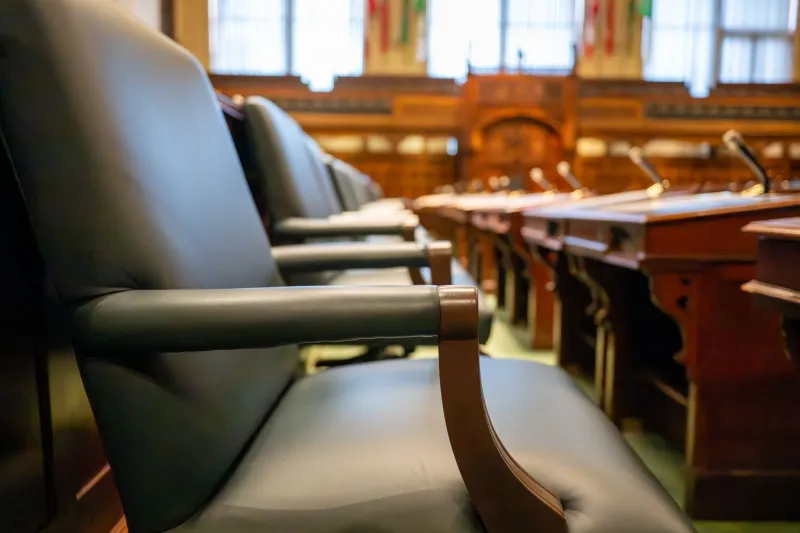
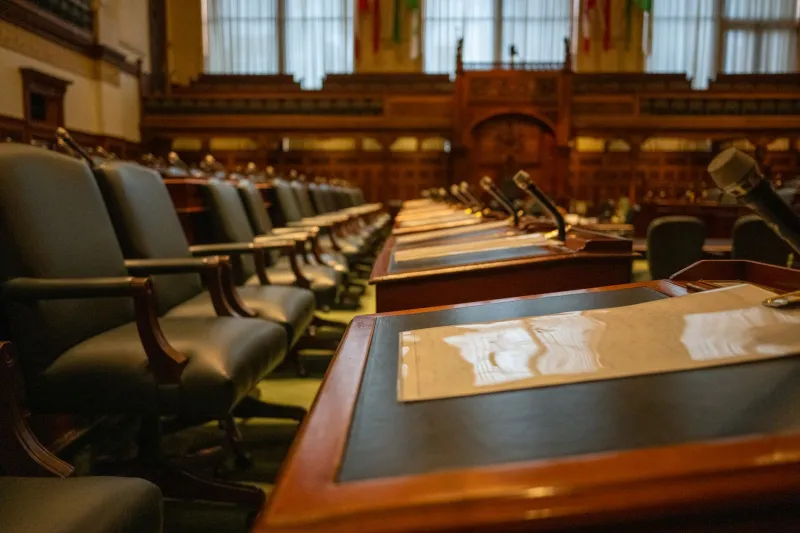
This is not a partisan complaint. It is a format complaint. The select committee hearing on Trump-style politics has become a mutual confirmation machine. MPs ask questions designed for social media. Witnesses arrive with answers designed for the same. The clerk has done the reading. The room has the microphones. The only missing ingredient is an obligation to say anything testable.
The Clip Is the Point
Watch any recent hearing on transatlantic populism and count the questions that could survive being read aloud without a camera. There are fewer than you think. The modern committee question is not a probe. It is a prompt. Would the witness agree that the situation is deeply concerning? Would the witness accept that there are lessons to learn? Would the witness confirm that this is not who we are?
These are not questions. They are invitations to nod. And witnesses, being human and occasionally on a book deadline, nod.
The result is a strange kind of theatre. A minister says the government is taking a nuanced approach. An academic says the evidence is mixed but the trend is worrying. A former adviser says we need a national conversation. A think-tanker says the real issue is trust. Nobody is lying. Nobody is being useful either.
A Séance in Portcullis House
The old joke about a séance is that the medium summons a spirit and gets a reflection. Westminster has managed the political version. MPs summon Trump and get their own ghost. The witness is not there to explain America. The witness is there to confirm a prior. The MP who thinks Trump is a symptom of economic grievance gets an expert saying economic grievance. The MP who thinks Trump is a master negotiator gets a former official saying negotiation. The MP who thinks the whole thing is a media phenomenon gets a journalist saying media phenomenon.
Everybody has brought their own ghost. The committee room simply provides the table and the bad lighting.
This matters because hearings are supposed to do something the rest of politics rarely does: slow down an argument and put it on the record. A good committee can expose a gap between rhetoric and cost. It can make a minister admit that a policy has a loser. It can force an expert to name the number they have been gesturing at for three years. It can turn a vibe into a finding.
Too often in 2026, it turns a finding into a vibe.
Heat Without Light, With Sandwiches
Committee hearings produce heat because heat is easy. A well-timed interruption travels. A witness saying the system is broken travels. A minister saying we are focused on the British people travels. Light is harder. Light requires a trade-off. Light requires someone to say: if we do this, that happens; if we do not, this happens; here is who pays; here is when; here is how we would know we were wrong.
That is not what the format rewards. The format rewards the safe answer, the careful answer, the answer that sounds like a paragraph from a report nobody has read. The witness who says I do not know but I can find out is treated as a disappointment. The witness who says it is complicated is treated as profound. The witness who names a number is treated as hostile.
And so the séance continues. The ghost is not Trump. The ghost is plausible. Everyone says plausible because it sounds rigorous without being testable. Plausible is the word you use when you want to be quoted without being checked.
The Trade-Off Test for 2026
If hearings on Trump-style politics are going to continue in 2026, and they will, they need a short, brutal evidence standard. Not a revolution in parliamentary procedure. Just three questions on a screen at the start of each session, with a written answer required within forty-eight hours.
First: name the trade-off. If you are arguing for a Trump-style approach, say what you would cut, loosen or accept. If you are arguing against, say what you would do instead and what that costs. No trade-off, no evidence. Vibes are not a submission.
Second: name the loser. Every serious political choice creates a loser, at least in the short term. A region. A sector. An income group. A generation. A timeline. If your proposal has no losers, you have not described a policy. You have described a mood board.
Third: name the number. A cost. A date. A threshold. A metric. A percentage. A deadline. A margin. If you cannot name a number, say so on the record and explain why. That is allowed. What is not allowed is the phrase we need to have a conversation, unless the witness can specify who needs to have it, about what, by when, and with what budget.
What This Would Do
It would make hearings less fun. This is a feature. Witnesses would arrive with costed claims instead of anecdotes. MPs would have to read past the first page of the brief. Committee reports would contain findings rather than adjectives. The clips would be duller. They might also be useful.
It would also expose the vibes merchants on all sides. The MP who wants to sound tough on Trump-style politics but cannot name a single trade-off. The witness who wants to sound wise but cannot name a loser. The minister who wants to sound reasonable but cannot name a number. The format would stop protecting them.
Until then, Westminster will keep holding the séance. The room will be booked. The microphones will be on. The questions will be designed for clips. The answers will be designed for survival. And at the end, everyone will agree that it was a useful session.
The ghost will nod. The mirror will fog. The evidence will remain exactly where it was before: outside the room, waiting to be asked a question that requires an answer.