Nicotine Diplomacy: The Trump Truths Westminster Only Tells You by the Wheelie Bin
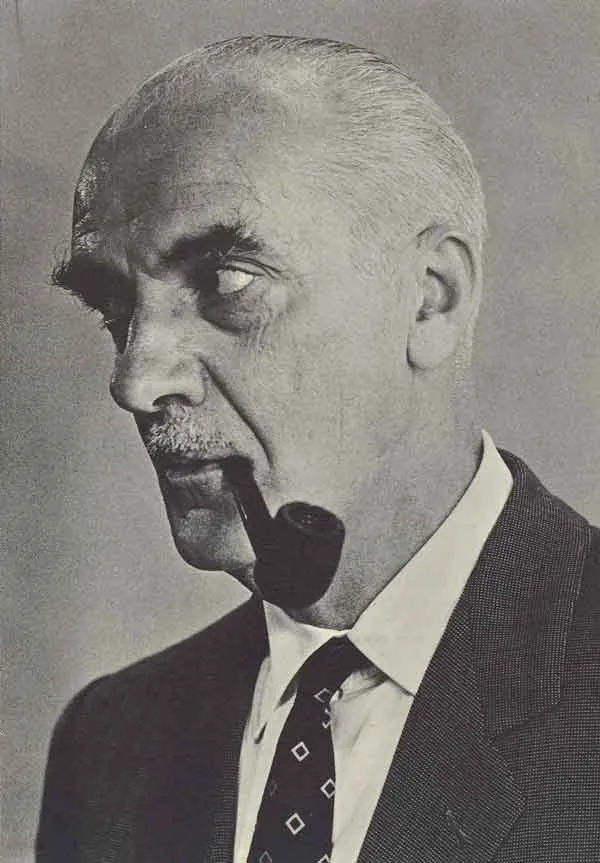
Photo: Unknown authorUnknown author, Public domain, via Wikimedia Commons
Westminster has two Trump policies. The first is for broadcast: a festival of moral clarity, delivered at volume, usually within ninety seconds of a presenter saying the word ‘America’. The second is for the smoking area, the WhatsApp group and the lift that smells faintly of stale coffee. The first is performance. The second is data.
Call it the nicotine consensus. Publicly, British MPs compete to condemn Trump with the enthusiasm of people who have just discovered a shared enemy and a spare microphone. Privately, the mood is stranger: part admiration, part resignation, part envy dressed up as concern. If you want to know what Britain will actually imitate from the Trump era, do not read the press release. Read the body language by the wheelie bin.
The Bin Outside Portcullis House
There is a particular Westminster ritual that involves a minister, a adviser and a cigarette they claim to have given up. The minister says something for the record about ‘the tone of our politics’. The adviser waits until the camera is gone and says something far more revealing: ‘He’s wrong on the law, but he’s right that the system is rigged.’ Or: ‘I hate the man, but the speed of it is impressive.’ Or, most tellingly: ‘We’d never get away with that here.’
The emphasis is always on get away with. Not should. Not ought. Not would be wise. Westminster’s private Trump-talk is rarely a seminar on democratic norms. It is a conversation about manoeuvre, permission and the cost of being caught. The smoking area is where politics is discussed as a contact sport rather than a civics lesson.
You can hear the admiration in the sentence structure. When MPs describe Trump’s tariffs, they do not usually sound horrified. They sound like men and women inspecting a power tool they are not licensed to use. When they describe his attacks on judicial review, or his willingness to make the courts a campaign issue, they do not sound baffled. They sound like people taking notes.
What They Say When the Mic Is Muted
Off the record, the quotes have a family resemblance. A Labour adviser will say Trump has ‘broken the seal on what voters will tolerate’. A Tory former special adviser will say the party needs ‘a bit more Trump energy, minus the Trump bits’. A Lib Dem will insist they are nothing like him, then spend twenty minutes explaining why his communication style works. Nobody says the quiet part loudly, because the quiet part is not a policy. It is a permission structure.
The WhatsApp groups are worse. They are where the condemnations have a second paragraph. The public statement says Trump’s remarks are ‘dangerous and divisive’. The group chat says: ‘Did you see the clip? He’s completely reshaped the news cycle.’ The public statement says Britain must defend the rule of law. The group chat says: ‘Our lot couldn’t organise a reshuffle without a leak.’ The public statement says nothing at all about certain Trump-style policies. The group chat says: ‘Don’t put that in writing.’
That silence is not an accident. It is a tell. Westminster is loud about the things it wants to be seen opposing and quiet about the things it might quietly borrow. Deportation rhetoric gets a careful answer. Planning reform gets a sympathetic nod. Lawfare gets a furrowed brow and a private question about whether the courts can be ‘streamlined’. Tariff aggression gets a joke about cheese. The silence is the policy.
The Body Language of a Copycat
Watch the shoulders, not the soundbites. When Trump is discussed in a television studio, the shoulders are square and the chin is high. When the same subject comes up in a corridor, the shoulders drop. The voice goes lower. The sentences get shorter. This is the posture of people doing a stocktake, not a sermon.
There is also the strange physics of voting records. MPs who describe Trump as an existential threat to democracy have been known to vote for powers that would make a Home Secretary blush. They oppose his style while admiring his speed. They reject his rhetoric while studying his framing. They call him a wrecking ball and then ask, quite reasonably, whether the building needed a bit of renovation anyway.
This is not hypocrisy in the simple sense. It is something more British: a desire to keep the moral high ground while renting out the basement. Westminster wants to condemn Trumpism and still use its furniture. The smoking-area consensus is that you can have the aesthetics of decisiveness without the constitutional chaos, the sovereignty language without the trade war, the migration crackdown without the cruelty. Whether that is possible is the great unanswered question of 2026. Whether it will be attempted is not in doubt.
The Copycat Test
So here is a better guide to Britain’s Trump future than any manifesto. Ignore what MPs say when the cameras are on. Watch what they say when the microphone is off, when the quote is unattributable and when the only witness is a half-empty bin. The things they mock in public but discuss seriously in private are the things that will eventually appear in a green paper with a softer title.
Britain will not copy Trump’s tweets. It will copy his tempo. It will not copy his constitution. It will copy his contempt for procedure, wrapped in a consultation document. It will not copy Mar-a-Lago. It will copy the instinct that politics is a fight you win by never apologising for the mess.
The nicotine consensus is not glamorous. It smells of rain and old ashtrays. But it is honest. And in Westminster, honesty is usually what happens when everyone has stopped pretending the camera is still on.