Pull to Eject Is Not a Policy: Britain’s Missing Off-Switch for Trump-Style Power

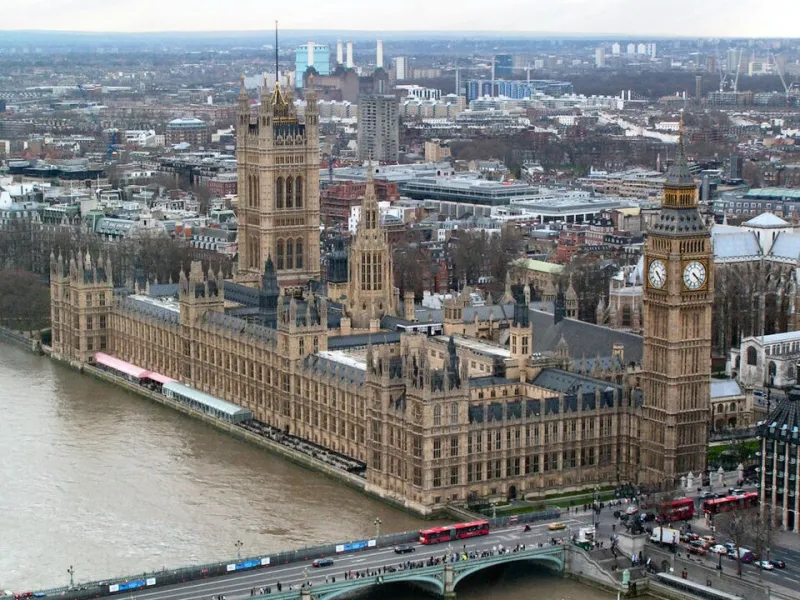
Photo by Photo by Stuart Frisby on Unsplash on Unsplash
Westminster loves a lock. It has spent years debating how to Trump-proof the door: tighter party rules, stricter campaign finance, better vetting, more transparency, fewer foreign donations, a standards committee with actual teeth and a chair who does not flinch. All sensible. All entrance policy. Almost none of it answers the question that matters once someone is already inside: how do you get them out?
That is the missing off-switch. Britain’s Trump-proofing has become a national conversation about the bouncer, not the fire exit. We have a scattered set of removal mechanisms—recall petitions, confidence votes, party leadership rules, the blunt instrument of a general election—but they are poorly signposted, rarely rehearsed and often misunderstood. Pull to eject is not a policy.
The Entrance Is Fortified, the Exit Is Scenic
The asymmetry is striking. On the way in, there are rules, registers, spending limits, declaration forms and a small army of journalists and regulators waiting to inspect the paperwork. On the way out, there is a mood. A minister resigns if the mood is bad enough. A leader faces a confidence vote if the mood is bad enough. A recall petition opens if the legal trigger is met. The mechanisms exist, but they are not arranged into a clear public protocol that anyone can follow in a crisis.
This is not an argument for removing anyone in particular. It is an argument for knowing how removal would work before it is needed. A constitution that can only be explained by a retired clerk with a loose-leaf binder is not a constitution. It is a rumour with a filing cabinet.
Recall Is Not a Memory Stick
The recall petition is the most misunderstood off-ramp. The Recall of MPs Act 2015 created a process, but it was not designed as a general vote of no confidence by constituents. It is triggered by specific conditions, such as certain criminal convictions or suspensions from the House. It is a narrow instrument, not a universal undo button. Yet in public debate it is often waved around as if it were a smartphone feature: press and hold to remove the MP.
That confusion matters. If people believe a recall button exists when it does not, they will mistrust the system when the button fails to appear. If they believe it is broader than it is, they will demand it for every political disagreement. Either way, the off-switch becomes a myth rather than a mechanism.
Confidence Votes Are Real, But Rarely Rehearsed
A confidence vote in the Commons is a genuine constitutional lever, but it is not a household routine. It is a high-stakes parliamentary manoeuvre, not a customer service option. Party leadership rules are another off-ramp, but they are private weather systems. Each party has its own constitution, its own thresholds and its own mysterious committee of elders. These rules can remove a leader, but they are rarely explained in public until the moment they are being used.
General elections are the ultimate removal mechanism, but they are slow, blunt and not designed for the specific case of a Trump-style figure who tests the boundaries of the system while in office. By the time an election arrives, the damage may already be done. The off-switch needs to exist at more than one level.
A Public Removal Protocol
What would a clear protocol look like? It would start with a published map of every removal mechanism available in the UK system: recall, confidence, party rules, standards procedures, judicial review, election law. It would explain who can trigger each one, on what grounds, with what evidence and on what timetable. It would name the responsible officer or committee. It would set out what happens to the office in the meantime.
It would also be rehearsed. Not in a dramatic sense, but in the boring sense that fire drills are rehearsed. A annual public exercise could test whether the paperwork works, whether the timelines are realistic and whether the public can follow the process. The protocol should be published before it is needed, not after a crisis has made it urgent.
The 2026 Rehearsal
By November 2026, Britain has had plenty of warnings that political norms can be tested. The response has been to build more entrance checks. That is necessary, but it is not sufficient. A building with a strong front door and no marked fire exit is not safe. It is merely well-defended.
The missing off-switch is not a partisan demand. It is a constitutional hygiene issue. Britain should know how to remove a Trump-style figure from power before it needs to. The protocol should be public, tested and boring. If the only answer to the question how do you get them out is a shrug and a copy of Erskine May, then the system has a siren but no stairs.